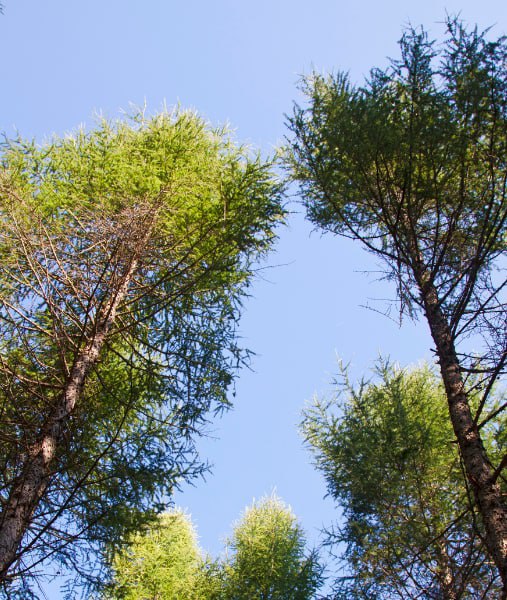
Trees growing close to a property can provide shade, privacy and valuable character. However, branches extending over a roof may make routine maintenance more difficult and contribute to problems with tiles, gutters and other roof components.
The tree does not necessarily need to be removed. In many cases, careful pruning can create suitable clearance while retaining its health, shape and value within the garden. For homeowners in Dover, Kent, early assessment can help prevent overhanging growth from becoming harder to manage.
How Overhanging Trees Can Affect a Roof
The extent of the problem depends on the tree’s size, condition and distance from the building. Branch movement, falling debris and restricted access can all affect how effectively a roof is inspected and maintained.
Branches Can Scrape Against Roof Materials
Branches that hang directly above a roof may move considerably during windy weather. Repeated contact can scrape tiles, disturb coverings and damage surface finishes.
Smaller twigs can also catch beneath tile edges or around roof junctions. As branches grow heavier and extend further, the pressure placed on vulnerable roofing materials may increase.
Leaves and Twigs Can Block Gutters
Overhanging trees regularly deposit leaves, twigs, seeds and pieces of bark onto roofs. Rainwater can carry this material into gutters, downpipes and valleys, where it may form a blockage.
Obstructed drainage can cause water to overflow towards fascias, soffits and external walls. Debris collecting in roof valleys can also interrupt water flow and create damp conditions around adjoining tiles.
Common signs of drainage problems include:
- Water spilling over gutter edges
- Plants or moss growing from the gutter
- Sagging gutter sections
- Staining beneath the roofline
- Debris collecting in valleys
- Damp patches near upper walls or ceilings
Removing the debris may solve the immediate obstruction, but managing the overhanging growth can help reduce how quickly it returns.
Excessive Shade Can Encourage Moss Growth
A dense canopy can limit sunlight and airflow across the roof. Roofing materials may consequently remain damp for longer after rainfall, creating favourable conditions for moss and organic growth.
Moss can retain moisture and spread into joints or beneath tile edges. Loose fragments may then wash into gutters and downpipes, adding to drainage problems. Selective pruning can improve light and air movement without unnecessarily reducing the whole crown.
Falling Branches Can Damage the Roof
Dead, split or weakened branches above a property can detach during windy conditions. Even a relatively small limb may crack a tile, damage guttering or affect a roof window.
Warning signs that require professional assessment include:
- Dead branches within the canopy
- Cracks where limbs join the trunk
- Hanging branches caught in nearby growth
- Torn branches following strong winds
- Significant weight extending over the building
- Fungal growth around a branch union
- Sudden changes in the position of a limb
Damaged branches should be assessed from a safe distance rather than approached or cut without suitable equipment.
Trees Can Restrict Roof Access
Roof maintenance often requires clear access to gutters, chimneys, valleys and roof coverings. Dense branches can make inspections more difficult and obstruct the safe positioning of access equipment.
Restricted access may also prevent clear ground-level views of the roof. Creating proportionate clearance around the building can make ongoing maintenance easier without leaving the tree misshapen.
Tree Debris Can Conceal Roofing Defects
Leaves and organic material can collect behind chimneys, around roof windows and within changes of roof level. This debris may hide cracked tiles, failed junctions or deteriorated flashing from view.
It can also hold moisture against roofing materials. A defect that might otherwise dry between periods of rain may remain damp, allowing deterioration to continue unnoticed.
Can Pruning Solve the Problem?
Professional pruning can often provide sufficient clearance between the tree and the roof. The appropriate method may include:
- Removing selected overhanging branches
- Reducing the length of heavy lateral limbs
- Removing dead or damaged wood
- Thinning dense growth in suitable species
- Carrying out a proportionate crown reduction
The objective should be to resolve the specific problem while maintaining a balanced canopy. Removing excessive growth in one operation can stress the tree, encourage weak regrowth and leave it structurally uneven.
Why Cutting Branches at the Boundary Is Not Always Enough
Shortening branches only at the roof edge may leave poor cuts, unstable stubs or an unbalanced crown. A tree surgeon will normally trace each branch back to an appropriate growth point where a sound pruning cut can be made.
This selective approach produces a neater result and supports more controlled future growth. It also considers how the remaining branches will respond to increased exposure to wind and light.
The Importance of Assessing the Whole Tree
Overhanging branches should not be viewed in isolation. Their position may be influenced by the tree’s overall balance, previous pruning and access to light.
A professional assessment can identify deadwood, weak unions, crossing branches and other defects that may not be visible from the ground. It also allows the most suitable pruning method to be chosen for the species and condition of the tree.
Ongoing Maintenance Can Prevent Recurring Issues
Trees continue growing after pruning, so suitable clearance may need to be maintained periodically. Regular inspection allows smaller branches to be managed before they become large, heavy and difficult to remove.
Planned maintenance can also reduce repeated debris accumulation and preserve a balanced relationship between the tree, roof and surrounding garden.
Conclusion
Overhanging trees can complicate roof maintenance by scraping roofing materials, blocking gutters, encouraging moss growth and restricting access. Dead or damaged branches may also present a direct risk to tiles and roofline components.
Dover Tree Surgery provides professional tree assessment and pruning in Dover, Kent. If branches are extending across your roof or making maintenance difficult, contact the team to discuss a proportionate solution that protects the property while retaining the tree wherever appropriate.
Call us on: 01304 796896
Click here to find out more about Dover Tree Surgery
Click here to complete our contact form and see how we can help with your trees needs