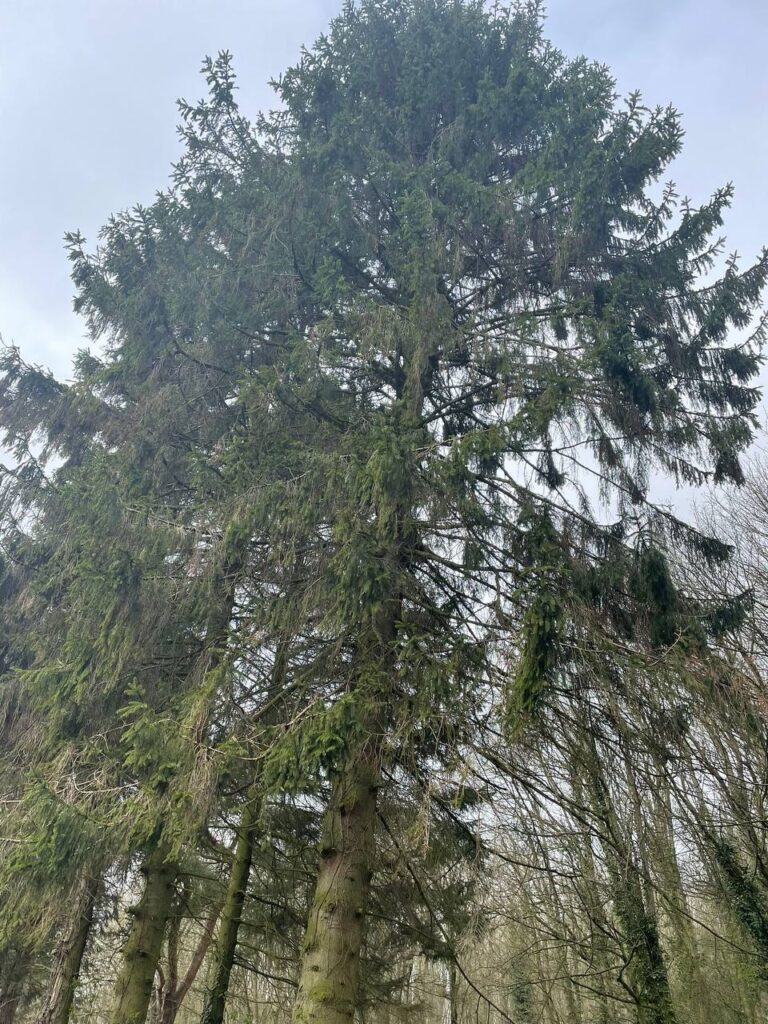
Tree felling removes the visible trunk and canopy, but it does not automatically remove the stump or major roots below ground level. Unless stump removal is included in the original plan, a solid section of timber will remain in the garden after the tree has been felled.
Leaving a stump may be suitable in some situations, but it can restrict how the space is used, interfere with landscaping and produce new shoots. Planning tree felling and stump grinding together allows the complete job to be assessed from the outset, helping property owners achieve a cleaner and more practical result.
For gardens in Dover, Kent, this coordinated approach can make it easier to prepare the area for its next use while avoiding unnecessary disruption later.
The Benefits of Coordinating Tree Felling and Stump Grinding
It Creates a Complete Plan for the Site
Before a tree is felled, consideration should be given to what will happen to the space afterwards. The intended use of the area can influence how the work is carried out and how thoroughly the stump needs to be ground.
The cleared space might later become:
- Part of a lawn
- A new planting area
- A garden path
- A patio or seating space
- An easier access route
- A more open section of the garden
Planning both services together ensures that the remaining stump does not obstruct the next stage of the garden project.
Access Can Be Assessed Before Work Begins
Stump grinders are available in different sizes, but access still needs to be considered. Narrow gateways, steps, walls, soft ground and nearby structures may affect which equipment can reach the stump.
When tree felling and stump grinding are planned at the same time, access requirements can be assessed before branches, timber or other materials are placed around the working area. This helps the two stages proceed in a more organised manner.
The Stump Is Easier to Locate and Prepare
A freshly felled stump is clearly visible, making it easier to assess its diameter, position and surrounding ground. Nearby surface roots and obstacles can also be identified while the site is already prepared for tree work.
If the stump is left for a long period, vegetation may grow around it, soil can accumulate against it and its edges may become less obvious. Additional preparation may then be needed before grinding can begin.
It Reduces Repeated Disruption
Completing the work as one coordinated project can reduce the need to reopen the same part of the garden later. Equipment, work zones and access routes can be considered as part of a single plan.
This is particularly useful where the tree stands close to a lawn, planting bed, path or restricted access point. Once the stump has been ground and the resulting material managed, the area can be left ready for reinstatement or further landscaping.
It Helps Prevent Unwanted Regrowth
Some tree species can produce new shoots from a stump or remaining root system after the main tree has been removed. These shoots may grow quickly and require repeated cutting if the stump is left in place.
Stump grinding removes the main stump to below ground level, greatly reducing its ability to produce vigorous regrowth. Although some roots remain in the soil and gradually decay, removing the central stump deals with the main source of repeated shoots.
It Removes a Physical Obstruction
A low stump can be easy to overlook, particularly when grass or plants grow around it. It may interfere with mowing, obstruct access or create an awkward feature in a frequently used part of the garden.
Grinding the stump below the surrounding ground level removes the solid projection without requiring the entire root system to be excavated. The resulting depression can then be prepared appropriately for the intended use of the area.
It Supports Future Landscaping
Tree removal often forms part of a wider garden improvement. Leaving the stump behind can restrict the layout of new features and make ground preparation more difficult.
Planning stump grinding at the same time helps landscapers understand which parts of the area will become accessible. However, it is important to recognise that large roots may remain underground even after grinding. The proposed use of the space should therefore be discussed in advance so that a suitable grinding depth can be considered.
Surrounding Features Can Be Protected
Trees and stumps may be positioned close to fences, sheds, paths, planting or underground services. These factors can affect both the felling method and the stump-grinding process.
A professional assessment considers the entire working area before either stage begins. This allows the team to plan the direction and sequence of the tree removal, establish safe equipment access and determine how the stump can be approached without avoidable disturbance.
Arisings Can Be Managed Efficiently
Tree felling produces branches and timber, while stump grinding creates a mixture of wood fragments and soil. When both services are coordinated, the handling of these materials can be included in one organised plan.
The stump grindings may be used to help backfill the hole, although excess material may remain depending on the stump’s size. Understanding this beforehand makes it easier to prepare the area for soil, turf, planting or another suitable finish.
When Might a Stump Be Left in Place?
Stump grinding is not always necessary. A stump may be retained deliberately as a natural feature, a base for a planter or part of a wildlife-friendly area. It may also be positioned somewhere that does not affect access, maintenance or future garden plans.
The important point is to make this decision before the tree is felled. This allows the tree surgeon to consider the desired final height and leave the stump in a condition suited to its intended purpose.
Why Professional Planning Matters
Tree felling and stump grinding require different equipment and techniques, but the two services are closely connected. Professional planning considers the tree’s size and condition, the available working space, access for machinery and the future use of the ground.
Dover Tree Surgery can assess both stages as one project, helping property owners in Dover, Kent, understand what will remain after felling and how the stump can be managed effectively.
Conclusion
Tree felling removes the tree above ground, while stump grinding deals with the remaining base that could otherwise obstruct access, landscaping or garden maintenance. Planning both services together creates a clearer process, reduces repeated disruption and prepares the area more effectively for future use.
If you are considering removing a tree in Dover, Kent, contact Dover Tree Surgery to arrange a professional assessment and discuss whether stump grinding should be included in the work.
Call us on: 01304 796896
Click here to find out more about Dover Tree Surgery
Click here to complete our contact form and see how we can help with your tree needs.